
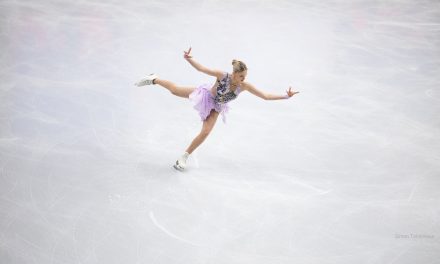

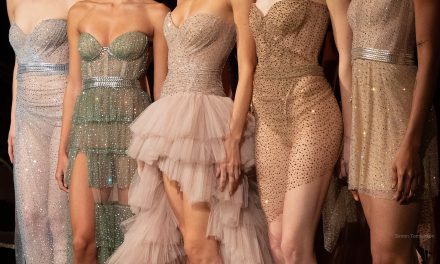
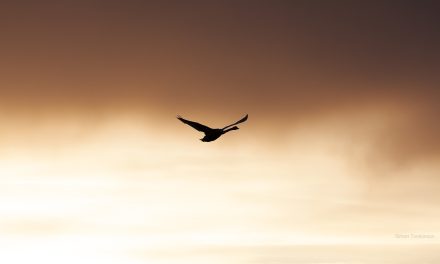
The great beauty. You know when you are in it’s presence. Whether it be a moment of beauty in nature or something so sublime created by human hands it transcends our normal lives.
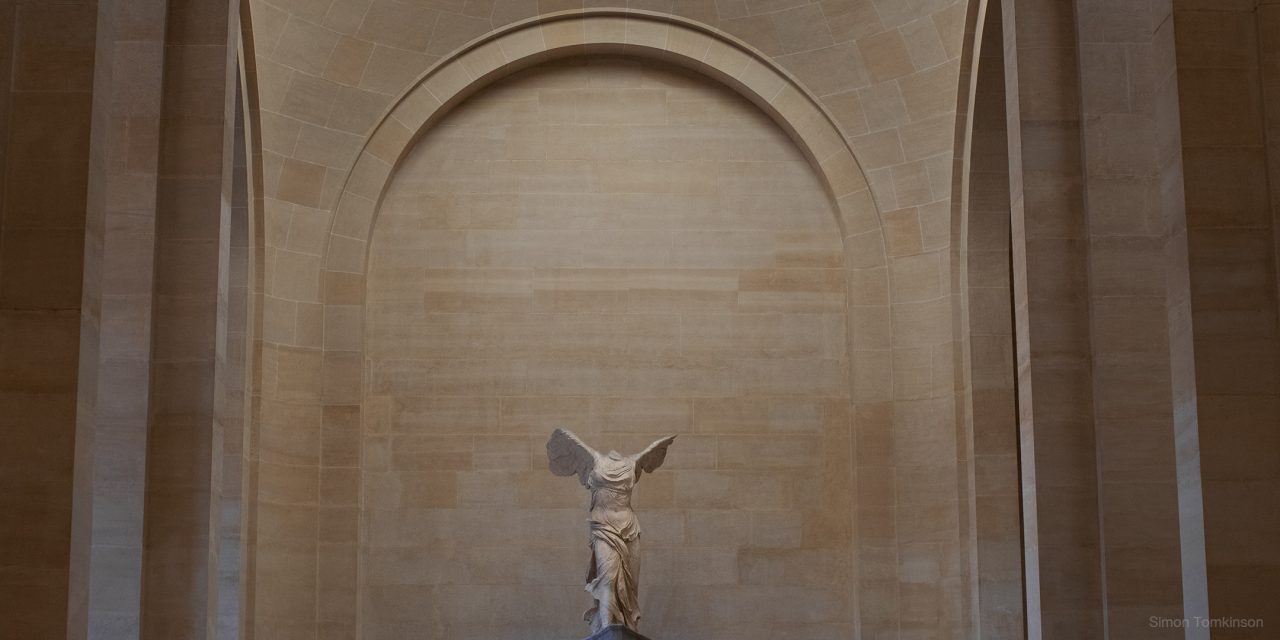
Created two thousand two hundred years ago the Winged Victory of Samothrace travels through time to us today. Her presence and movement so astoundingly beautiful I am completely mesmerised.
My visit to the Louvre was bordering on a pilgrimage. I had read much about and seen photographs of the Winged Victory already. So I knew it was going to be special and an important moment for me and my work.
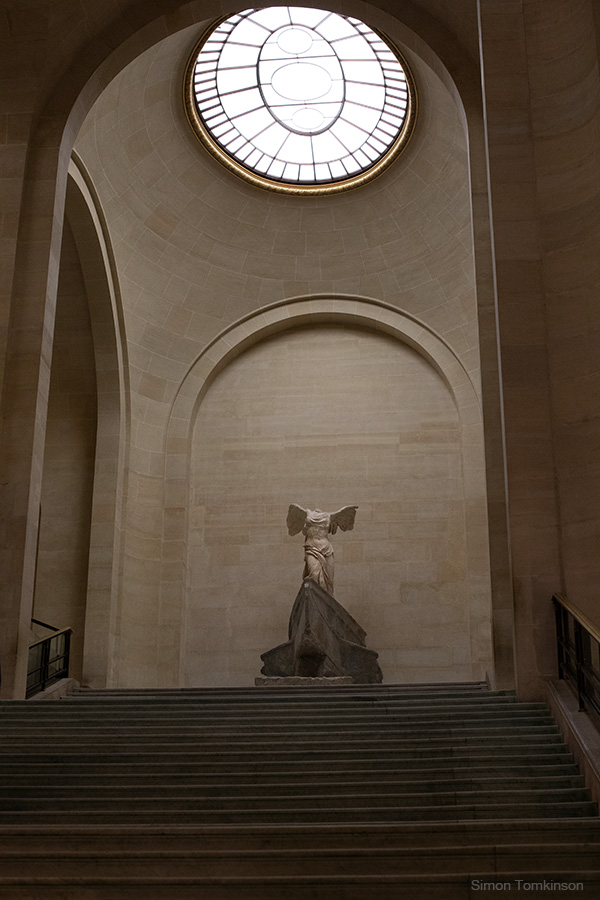

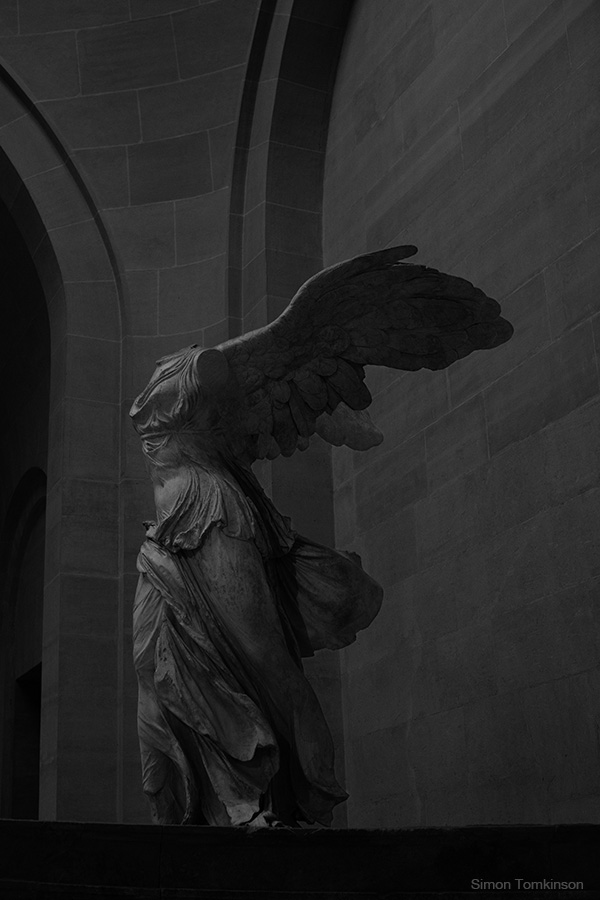
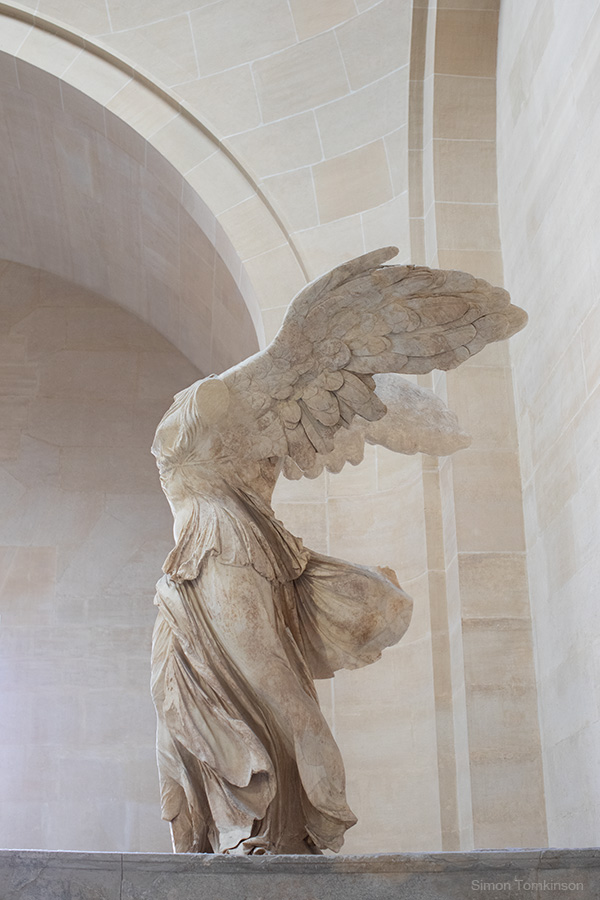
This is the Greek goddess Nike landing(?) on the prow of a ship. If she still had her arms, her right arm and hand (the latter which they have, is open and not holding anything) would be raised as if announcing.
This is Hellenistic sculpture created at the time of the spread of Hellenism (Greek influence and culture). Sculptors at that time were moving away from classical tradition to three dimensional settings.
The sculpture and base is designed to be viewed from three quarters left, not from head on. This can be seen in both the sculpture itself (level of detail left versus right) and the angle of the original foundations.
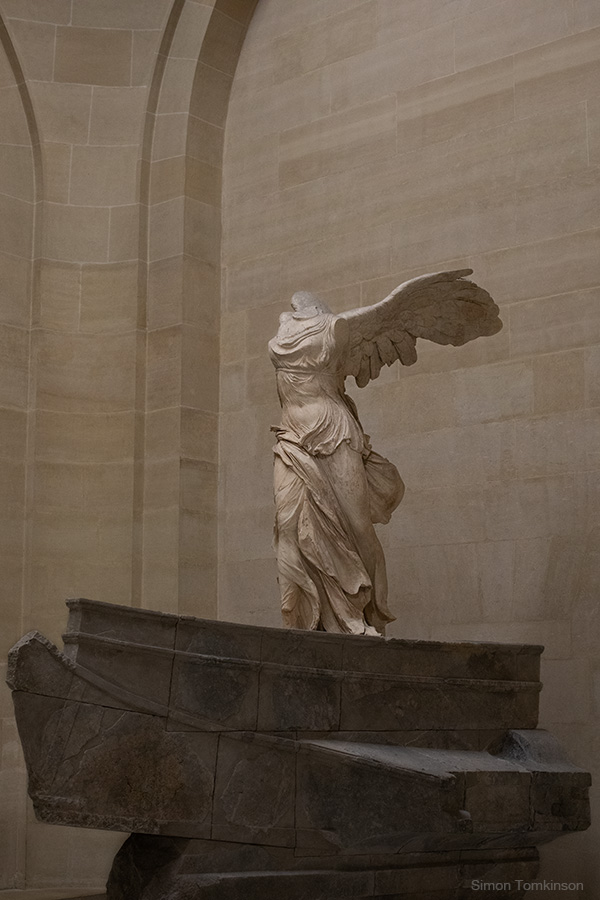

From a movement perspective it is the stride, the forward leaning angle, the wings outstretched and the flowing garments that for me bring such incredible life to this most magnificent of sculptures.
I especially love the rippled, diaphanous clothing effect around her midriff. To think that this is made from stone (Parian marble to be precise) is just staggering – what artistry and craftmanship.
Her stepping forward stride is so forthright, yet her wings make it feel like she has just landed. The boat could be moving too with the billowing clothing and dynamic wing shape. Perhaps there is a stiff breeze at sea. Or all of these.
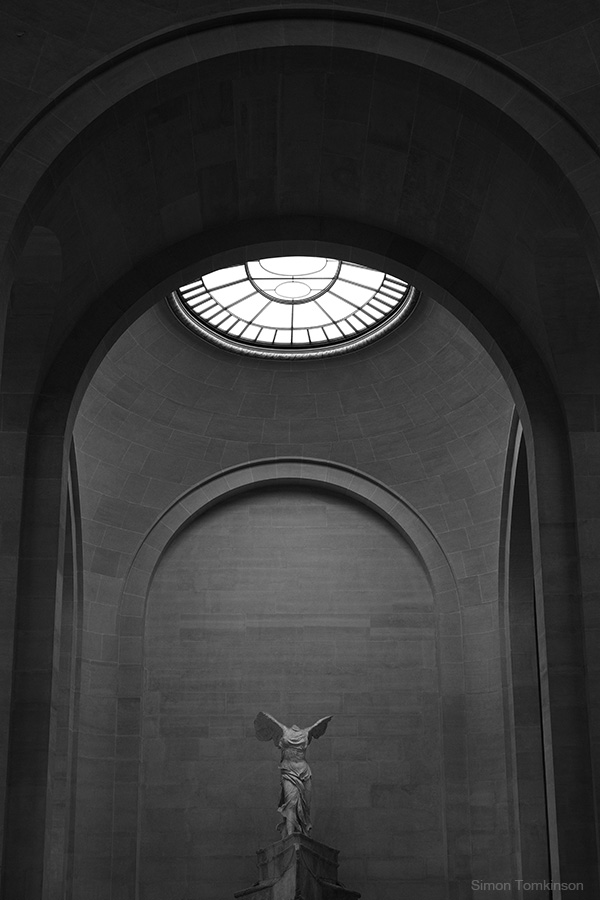
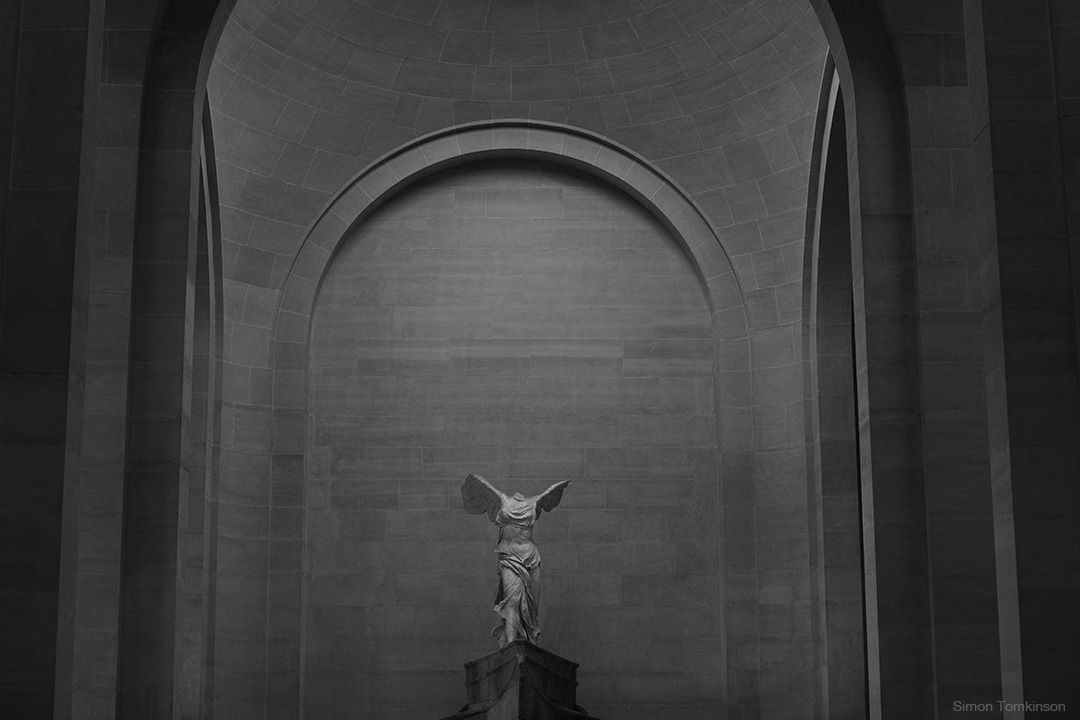

I used my best camera, 5d iv, as I needed a camera that could handle low light levels well. I also went hand held without tripod or monopod due to the crowds at the museum.
I kept it simple on the lens front and just used the excellent low light L series 50mm f1.2. Using just one prime gives continuity/harmony of perspective across the photographs.
This combination enabled me to keep the ISO between 1600 and 3200 with shutter speeds of between 100-200 and never having to open the aperature to it’s maximum.

For information about the Louvre’s collection please visit their website. To see more of my work please visit mine.
Commissioning photography
If you would like to enquire about commissioning Simon, please contact me directly and I will be happy to discuss your proposal:





0 Comments